Polyethylene pipe
2023-10-19
Polyethylene pipe Fittings and Their Applications
2023-10-19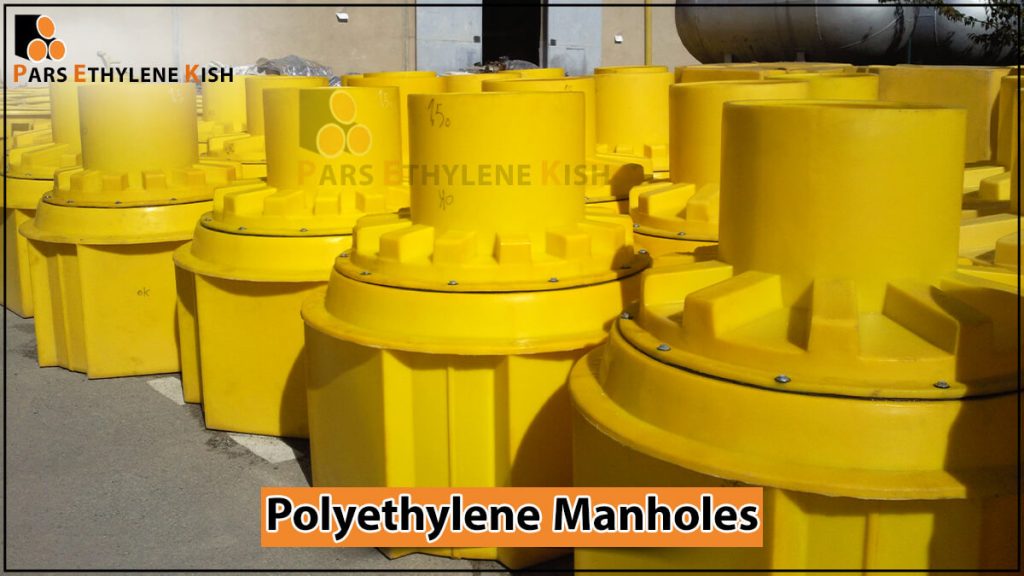
Introduction
Polyethylene manholes are crucial components in various infrastructure projects, offering durability, versatility, and ease of installation. In this article, we will explore the world of polyethylene manholes, starting with an understanding of what they are, delving into their features, discussing different types of manhole materials, examining their applications, and concluding with standard manhole sizes.
What is a Polyethylene Manhole?
A polyethylene manhole, often referred to as a PE manhole, is a structural component used to provide access to underground utilities such as sewer systems, stormwater drainage, and telecommunications cables. These manholes are constructed from high-density polyethylene (HDPE) material, known for its exceptional properties.
Polyethylene manholes are designed to withstand various environmental conditions and the weight of vehicles or other loads, making them a reliable choice for utility access points.
Features of Polyethylene Manholes
Polyethylene manholes offer a range of features that make them stand out in the world of utility access structures:
- Corrosion Resistance: HDPE is inherently resistant to corrosion, making it ideal for use in underground environments where exposure to moisture and chemicals is common.
- Lightweight: Polyethylene manholes are significantly lighter than traditional concrete or steel manholes, simplifying transportation and installation.
- Durable: They have a long service life and can withstand the test of time, requiring minimal maintenance.
- Customizable: PE manholes are available in various sizes and configurations, allowing for customization to meet specific project requirements.
- Leak-Free Sealing: These manholes are designed to provide secure, leak-free seals, ensuring the integrity of underground systems.
Types of Manhole Materials
While polyethylene is a popular material for manholes, it’s essential to understand that various other materials are used as well. Here are a few common types:
- Concrete: Concrete manholes are traditional and widely used. They are known for their strength and durability. However, they are heavier and may require more labor during installation.
- Fiberglass: Fiberglass manholes are lightweight and corrosion-resistant. They are often used in aggressive chemical environments.
- Brick: Brick manholes are aesthetically pleasing and suitable for architectural purposes. However, they require skilled masonry work and can be susceptible to corrosion over time.
Applications of Polyethylene Manholes
Polyethylene manholes find applications in a variety of industries and utility systems:
- Sewer and Wastewater Systems: They provide access to sewer lines and wastewater treatment facilities, ensuring proper maintenance and inspection.
- Stormwater Drainage: In stormwater management systems, PE manholes are used to control and divert excess rainwater, reducing the risk of flooding.
- Telecommunications: For the installation and maintenance of underground communication cables and fiber optics, polyethylene manholes offer easy access.
- Electricity and Utilities: They are used for electrical and utility infrastructure access, allowing for safe and convenient inspections and repairs.
- Transportation: In transportation projects, such as highways and tunnels, PE manholes are used for managing underground utilities.
Standard Size of a Manhole
Manholes come in various standard sizes to accommodate different utility needs. Common manhole sizes are typically classified as follows:
- Small Manholes: These are often around 2 to 4 feet in diameter and are used for residential or light commercial applications.
- Medium-Sized Manholes: These manholes range from 4 to 6 feet in diameter and are suitable for a wide range of utility access points.
- Large Manholes: Large manholes can exceed 6 feet in diameter and are commonly used in industrial and heavy-duty applications.
It’s important to note that manhole size can be customized to meet specific project requirements, and the choice of size depends on the utility system’s capacity and the ease of access required.
Conclusion
Polyethylene manholes have revolutionized the world of underground utility access points. Their unique features, including corrosion resistance, lightweight design, and durability, make them a versatile and reliable choice for a wide range of applications. Understanding what polyethylene manholes are, their features, the types of manhole materials available, their applications, and standard sizes is crucial in appreciating their role in ensuring the efficient functioning of underground utility systems.