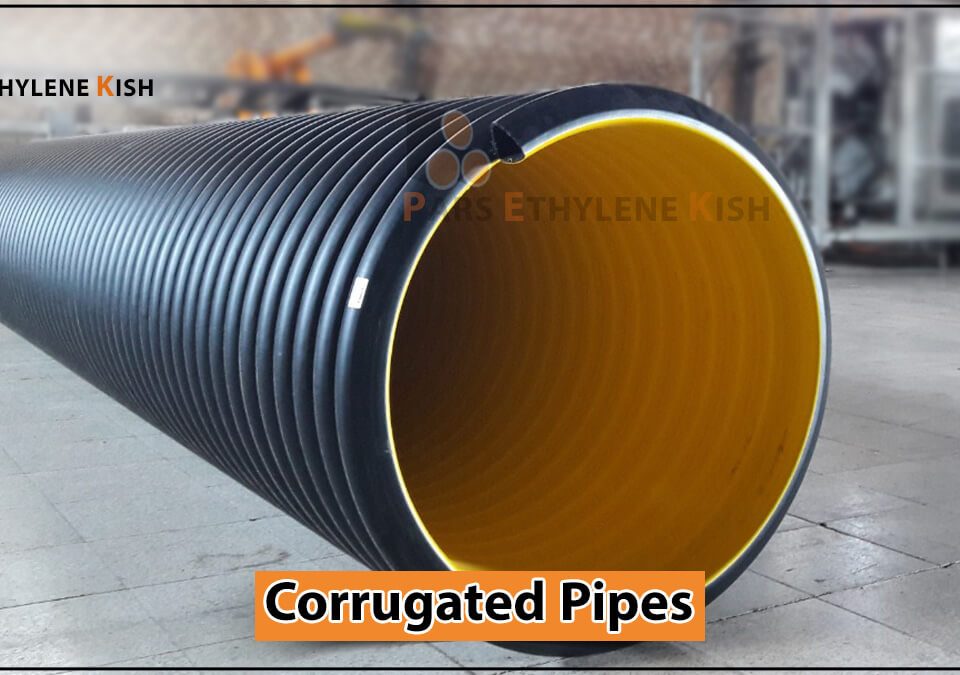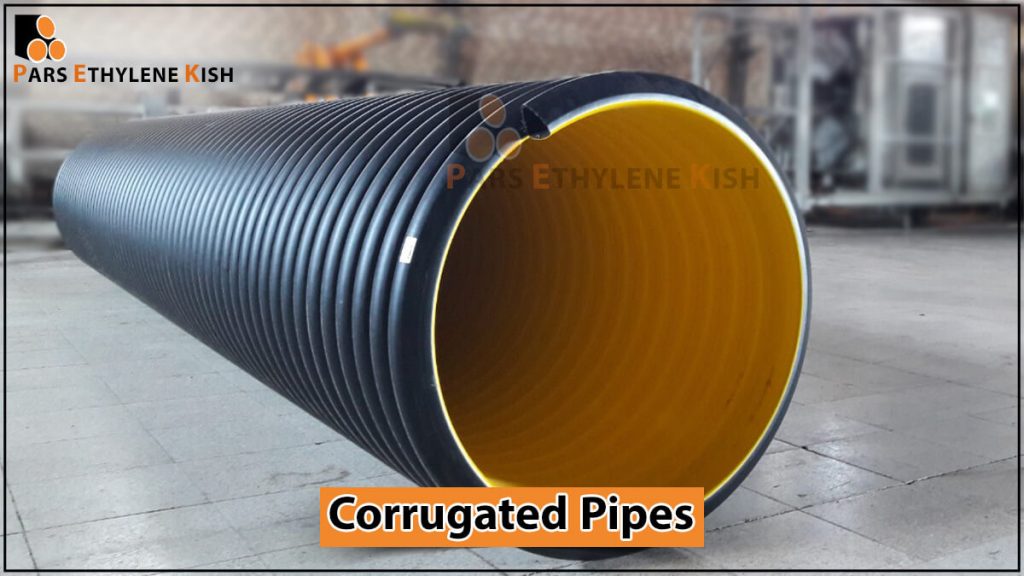
Corrugated Pipes: A Comprehensive Guide to Types, Features, and Applications
2023-10-19What does PE 80 mean?
2024-03-28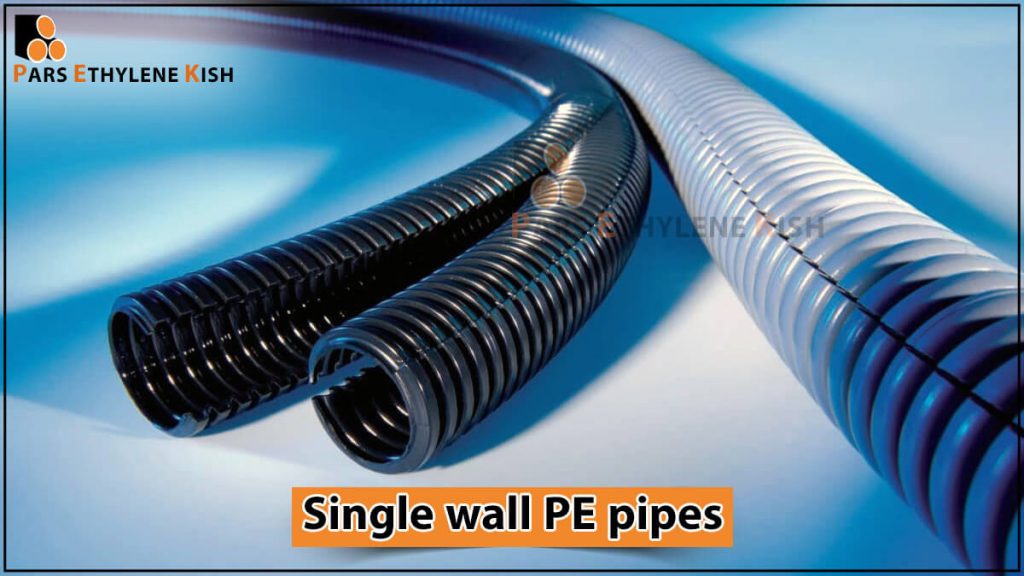
What is Single wall PE pipes
Single-wall polyethylene pipes are among the polymer pipes that can be used at pressures ranging from 2 to 40 bars, with various diameters. The unique characteristics of polyethylene pipes, compared to other types of pipes, have led to a significant increase in their utilization rate in water transmission and distribution networks compared to other alternatives.
Single wall polyethylene pipe production method
The production process of single-wall polyethylene pipes is done by the extrusion method, where the raw materials, in the form of granules, are fed into the extruder machine and melted due to heat.
The molten materials are pushed forward using a screw (helical rod) and, upon exiting the extruder, enter the mold. The extruded material, after exiting the mold, passes through a calibrator and is shaped with the application of appropriate pressure in a tank under vacuum. As the pipe exits the calibrator, its surface is cooled by layers of cold water flow.
The high temperature of the molten polyethylene materials gradually decreases in the tank under vacuum and then in the cooling tanks using cold water.
The produced polyethylene pipes are gradually pulled through vacuum and cooling tanks by a pulling machine, and the following information is marked on the pipe using a marking machine:
- Production date
- Technical specifications
- Standard mark
- Abbreviation and company name
Subsequently, using a cutting machine, the polyethylene pipes are cut into specific and various lengths.
All stages of production are fully controlled and monitored by automated machines to ensure the final product’s quality meets the company’s standards and complies with both domestic and international standards.
Specifications of Single wall PE pipes
- Lightweight
- High flexibility
- Resistant to rust
- Long service life
- Very low roughness
- Corrosion-resistant
- Available in ring form
- Plastic welding capability
- High resistance to abrasion
- Very high chemical resistance
- Suitable for use on uneven terrain
- Convenient and reliable connections
- High resistance to pressure and impact
- Excellent hydraulic properties over time
- Quick and simple installation and execution
- Resistance to heat up to 80 degrees Celsius
- Excellent resistance to breakage and corrosion
- High resistance to vibrations caused by earthquakes
- High resistance to cold temperatures down to -40 degrees Celsius