Polyethylene pipe Fittings and Their Applications
2023-10-19
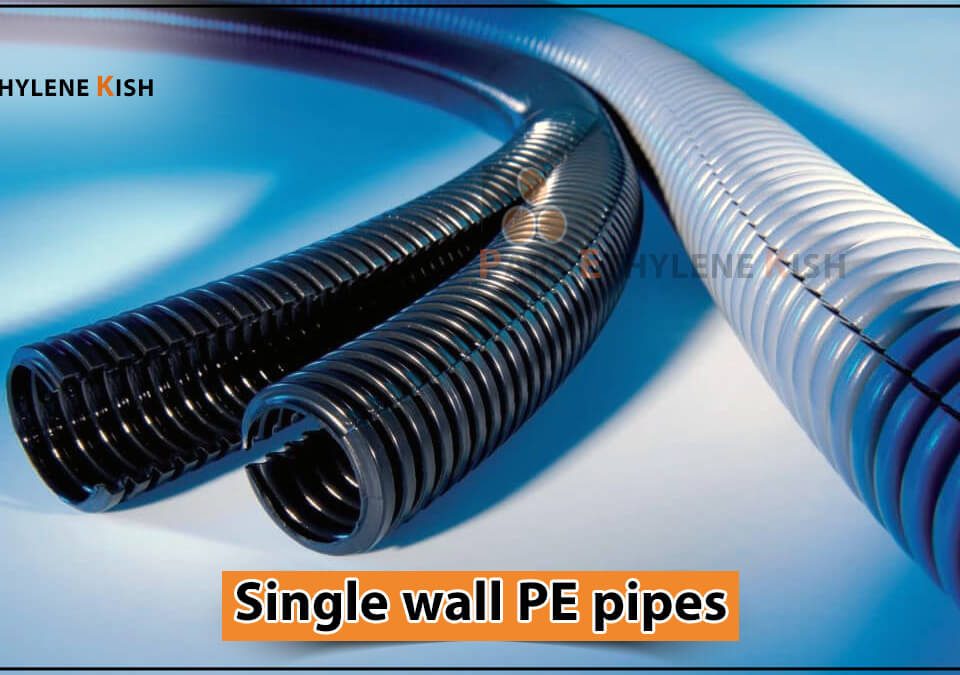
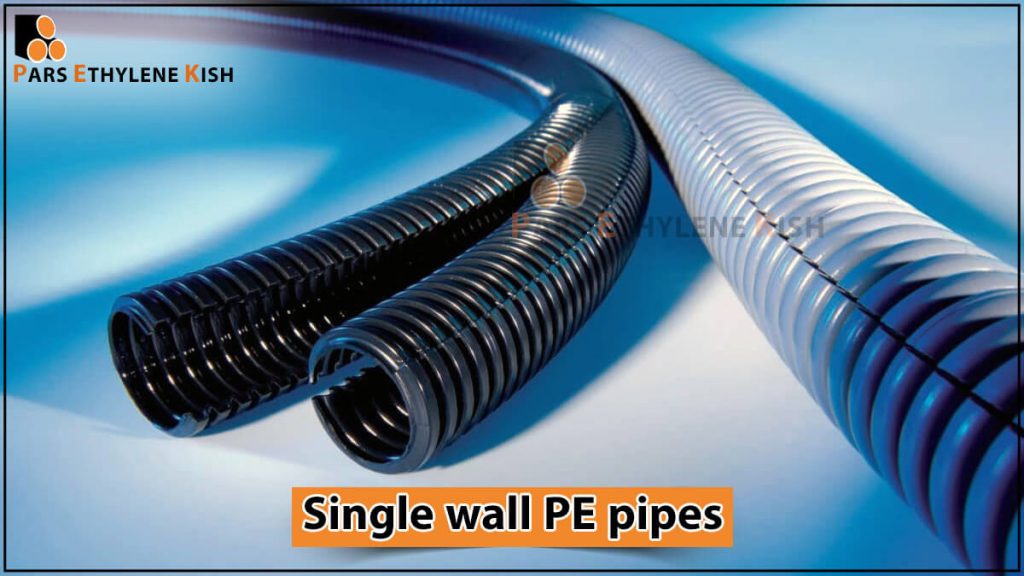
Single wall PE pipes
2023-10-19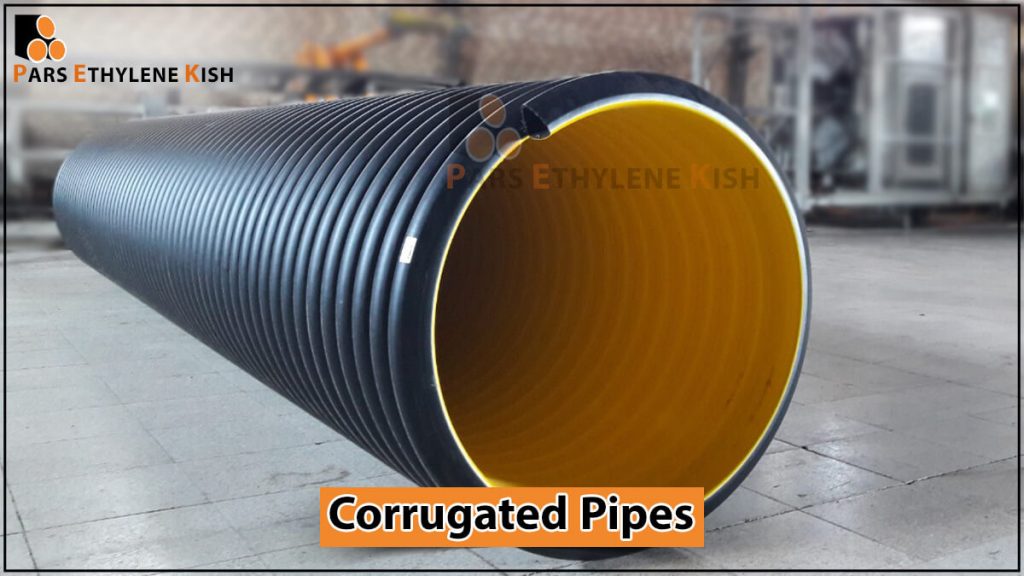
Introduction
Corrugated pipes are integral components in the world of underground infrastructure, providing efficient conveyance for various fluids and materials. This article is a comprehensive exploration of corrugated pipes, addressing fundamental questions such as what they are, their features, types, applications, and how they differ from their non-corrugated counterparts.
What is a Corrugated Pipe?
A corrugated pipe is a cylindrical conduit featuring a corrugated or ribbed exterior design. This unique construction imparts structural integrity and flexibility to the pipe. Corrugated pipes can be manufactured using a range of materials, including high-density polyethylene (HDPE), polypropylene (PP), and even metals like steel and aluminum.
Corrugated piping is widely used for its adaptability, making it suitable for diverse applications, from stormwater drainage systems to agricultural use and beyond.
Features of Corrugated Pipes
Corrugated pipes offer a suite of distinctive features, setting them apart as preferred choices for various applications:
- Corrugation for Strength: The corrugated design adds structural strength, enabling the pipe to withstand external pressures and stresses, making it particularly resilient.
- Lightweight: Corrugated pipes are notably lighter compared to their non-corrugated counterparts, simplifying transportation, handling, and installation.
- Customizable Sizes: These pipes are available in various sizes and configurations, allowing for tailored solutions to match the specific requirements of diverse projects.
- Leak-Resistant Seals: Corrugated pipes are designed with secure, leak-resistant seals, ensuring the integrity of the conveyed materials, a crucial aspect in applications where leaks could result in environmental or safety hazards.
Types of Corrugated Pipes
Corrugated pipes are categorized based on their materials, design, and specific applications. Several common types include:
- Single-Wall Corrugated Pipes: These pipes consist of a single corrugated layer and are often used in drainage applications, such as stormwater management and agricultural use.
- Double-Wall Corrugated Pipes: Featuring an added layer for enhanced strength and protection, double-wall pipes are commonly utilized in demanding applications, including sewage systems and large-scale drainage projects.
- Perforated Corrugated Pipes: Designed with small holes or slots, these pipes allow for controlled water release and are ideal for subsurface drainage and leach field applications.
- Ribbed Corrugated Metal Pipes: Manufactured from metal, these pipes are prized for their exceptional strength and durability. They find use in transportation infrastructure, such as culverts and bridges.
What Are Corrugated Pipes Used For?
Corrugated pipes find versatile application in various sectors, including:
- Drainage Systems: Corrugated pipes are critical in managing stormwater and preventing flooding in residential neighborhoods, agricultural fields, and urban environments.
- Sewer Systems: The double-wall corrugated pipes are commonly used for transporting sewage and wastewater, ensuring the secure flow of effluent.
- Cable Protection: They offer a protective conduit for underground cables, safeguarding fiber optics and telecommunication lines from external factors.
- Culverts: Corrugated pipes are pivotal in constructing culverts, allowing the passage of water beneath roads, railways, and other transportation infrastructure.
The Difference Between Corrugated and Non-Corrugated Pipes
The primary distinction between corrugated and non-corrugated pipes lies in their structural design:
- Corrugated Pipes: As discussed earlier, corrugated pipes feature a corrugated exterior, which enhances their structural integrity and flexibility. The ribbed design is particularly advantageous in applications where ground movement, flexibility, and strength are essential, such as drainage systems and culverts.
- Non-Corrugated Pipes: Non-corrugated pipes, on the other hand, have a smooth, unribbed exterior. While they are suitable for various applications, they may lack the structural resilience and adaptability provided by corrugated pipes. Non-corrugated pipes are often used in pressurized systems, water supply, and sanitary sewers, where a smooth interior surface is preferred.
Conclusion
In conclusion, corrugated pipes offer a robust solution for a multitude of applications, thanks to their unique features and adaptability. Understanding their types and potential applications is vital in harnessing their capabilities to meet the demands of diverse projects.