
Polyethylene Manholes: Types, Features, and Applications
2023-10-19
Polyethylene pipes are a type of plastic pipe made from polyethylene, a thermoplastic polymer. Polyethylene is a versatile material with a wide range of properties, including high resistance to pressure and temperature, flexibility, corrosion resistance, and long lifespan. These properties make polyethylene pipes a popular choice for a variety of applications, including water and sewage systems, gas distribution systems, and irrigation systems.
Advantages of Polyethylene Pipes
Polyethylene pipes offer a number of advantages over other types of pipes, including:
- High resistance to pressure and temperature: Polyethylene pipes can withstand high pressures and temperatures, making them ideal for applications where these factors are a concern.
- Flexibility: Polyethylene pipes are flexible, making them easy to install in difficult-to-reach areas.
- Corrosion resistance: Polyethylene pipes are resistant to corrosion, making them a long-lasting option for applications where corrosion is a concern.
- Long lifespan: Polyethylene pipes have a long lifespan, making them a cost-effective choice for long-term applications.
Applications of Polyethylene Pipes
Polyethylene pipes are used in a variety of applications, including:
- Water and sewage systems: Polyethylene pipes are a common choice for water and sewage systems due to their high resistance to pressure and corrosion.
- Gas distribution systems: Polyethylene pipes are used to transport natural gas and other gases.
- Irrigation systems: Polyethylene pipes are used to transport water for irrigation.
- Chemical transport systems: Polyethylene pipes are used to transport chemicals.
- Industrial applications: Polyethylene pipes are used in a variety of industrial applications, such as manufacturing and construction.
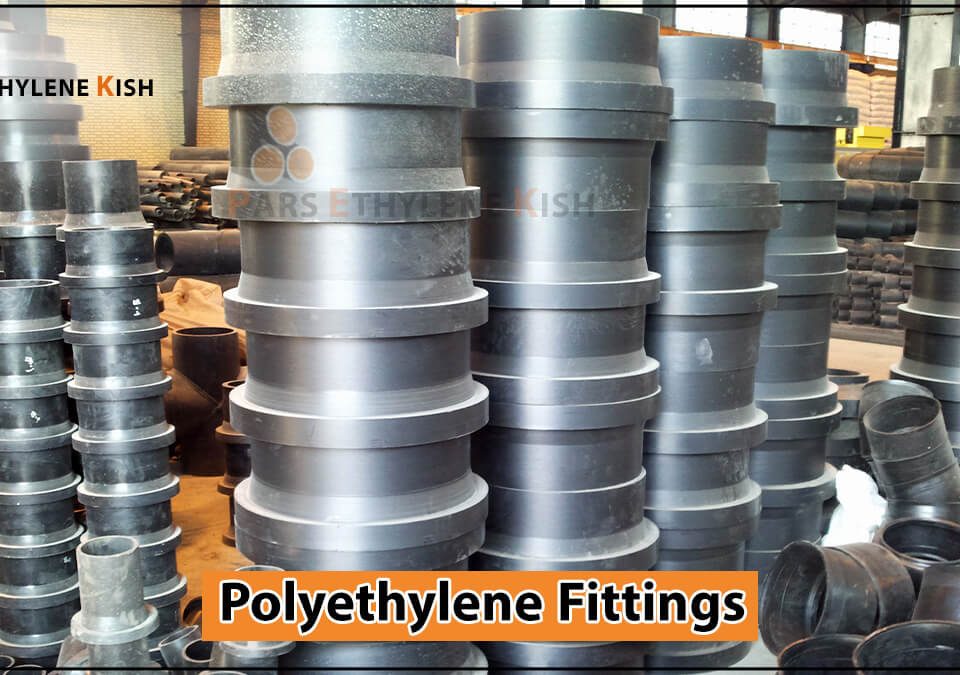
Read more: Polyethylene Fitting
Types of Polyethylene Pipes
Polyethylene pipes are classified by their 1-density 2-grade 3-construction.
1- Density:
Polyethylene pipes are classified into two types based on density:
- High-density polyethylene (HDPE): HDPE pipes have the highest density among all polyethylene pipes, making them the most resistant to pressure and temperature. They are typically used for applications where high pressure and durability are critical, such as water and sewage systems, gas distribution systems, and industrial applications.
- Medium-density polyethylene (MDPE): MDPE pipes have a density between HDPE and LDPE, offering a balance of strength and flexibility. They are commonly used for applications where moderate pressure and flexibility are needed, such as irrigation systems and low-pressure gas distribution.
- Low-density polyethylene (LDPE): LDPE pipes have the lowest density among all polyethylene pipes, making them the most flexible and lightweight. They are often used for applications where flexibility is essential, such as underground drainage systems and agricultural irrigation.
2- Grade
Polyethylene pipes are also classified by grade, which indicates their pressure resistance. Grades range from PE 63 to PE 100, with PE 100 pipes having the highest pressure resistance.
3- Construction
Polyethylene pipes are also classified by their construction. Common types include:
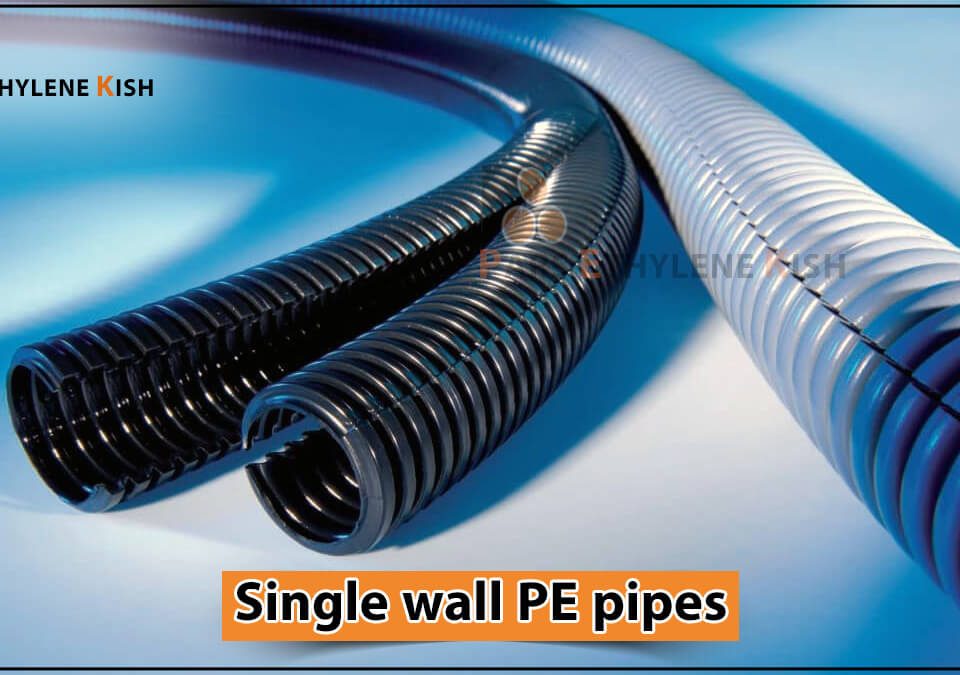
- Single-wall polyethylene pipe: Single-wall polyethylene pipes are the most basic and widely used type of polyethylene pipe. They are typically used for applications where low to moderate pressure is required.
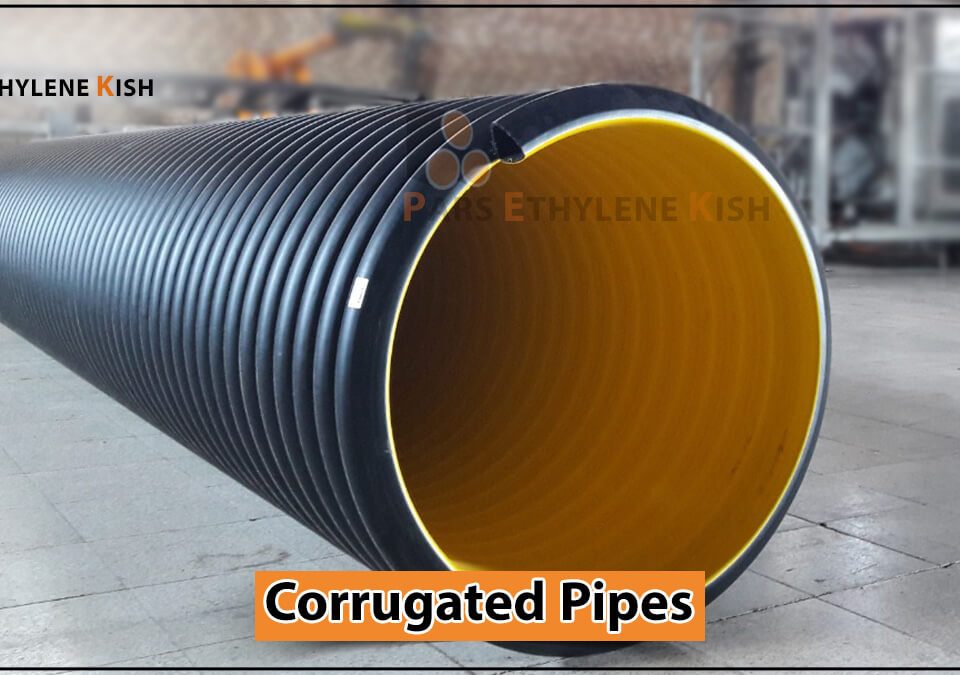
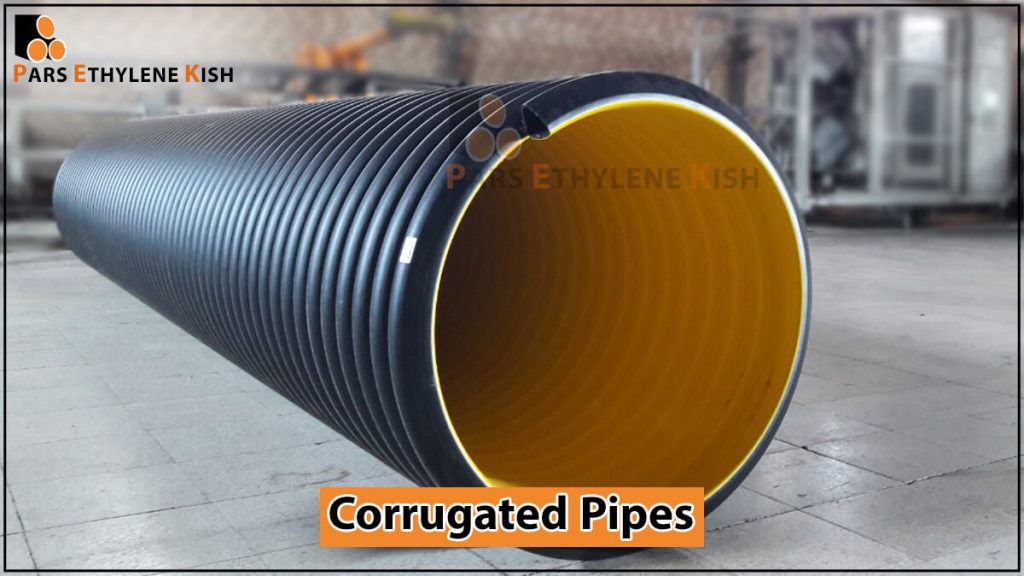
- Double-wall polyethylene pipe: Double-wall polyethylene pipes have two layers of polyethylene, providing greater strength and resistance to pressure and impact. They are often used for applications where higher pressure or mechanical stress is expected.
- Spiral polyethylene pipe: Spiral polyethylene pipes have a spiral reinforcement that provides additional strength and flexibility, making them well-suited for applications where bending and twisting are common.
Grade and Density Comparison
The following table summarizes the grade and density of different polyethylene pipes:
| Pipe Grade | Density (g/cm3) | Typical Applications |
| PE 63 | 0.940 | Low-pressure irrigation, drainage, and low-pressure gas distribution |
| PE 80 | 0.960 | Medium-pressure water and sewage systems, irrigation, and low-pressure gas distribution |
| PE 100 | 0.970 | High-pressure water and sewage systems, gas distribution, and industrial applications |
! PE63 pipe grade is obsoleted and pars ethylene kish Company no longer uses it.
Read more: Polyethylene Manhole
Considerations for Purchasing Polyethylene Pipe
When purchasing polyethylene pipe, it is crucial to pay attention to the following factors:
- Compliance with relevant industry standards and regulations:
The INSO 14427-2 standard is a reputable standard in the field of polyethylene pipes, specifying the product’s technical characteristics. Ensuring compliance with this standard indicates the quality and reliability of the product.
- Scrutinization of product certificates and credentials:
These documents confirm that the product adheres to the standards and regulations of the polyethylene pipe industry and has been approved in terms of technical and quality aspects.
- Selection of a reputable and experienced supplier:
Reputable companies that prioritize high-quality raw materials and employ stringent quality control measures are generally the best choices for purchasing quality products. Customer reviews and past experiences can also assist in choosing a suitable supplier.
By following these considerations, you can confidently select high-quality polyethylene pipe tailored to your needs and benefit from its long-term efficiency in your projects.
Why Choose Pars Ethylene Kish for Polyethylene Pipe?
- High standards:
- Products manufactured by Pars Ethylene Kish comply with international and national standards, including standards such as INSO 14427-2. The company’s rigorous and precise oversight of the production process ensures high quality and customer trust in its products.
- Use of advanced German machinery:
- One of the primary factors contributing to the quality of Pars Ethylene Kish’s products is the use of modern and advanced German machinery. These machines, equipped with advanced technology, significantly impact the accuracy and quality of production, serving as a prominent advantage for selecting the company’s products.
- No use of recycled materials in production:
- Pars Ethylene Kish is committed to using high-quality raw materials from reputable Iranian petrochemicals and avoiding the use of recycled materials. This commitment ensures that the company’s products have a high lifespan and guaranteed quality.
By choosing polyethylene pipes from Pars Ethylene Kish, you can ensure the quality, standards, and reliability of your products, addressing the needs of your projects with ease.
Conclusion
Polyethylene pipes are a versatile and durable material that offers a number of advantages over other types of pipes. They are used in a variety of applications, including water and sewage systems, gas distribution systems, and irrigation systems.